What is it?
Your heart races. Your palms sweat. It feels like danger — but it’s just an exam. Why does your body react this way?
In this post, we’ll look at what’s really happening inside your body when you’re stressed — and how biology keeps you alive (and sometimes overwhelmed).
Stress is your body’s alarm system — powerful, ancient, and impossible to ignore.
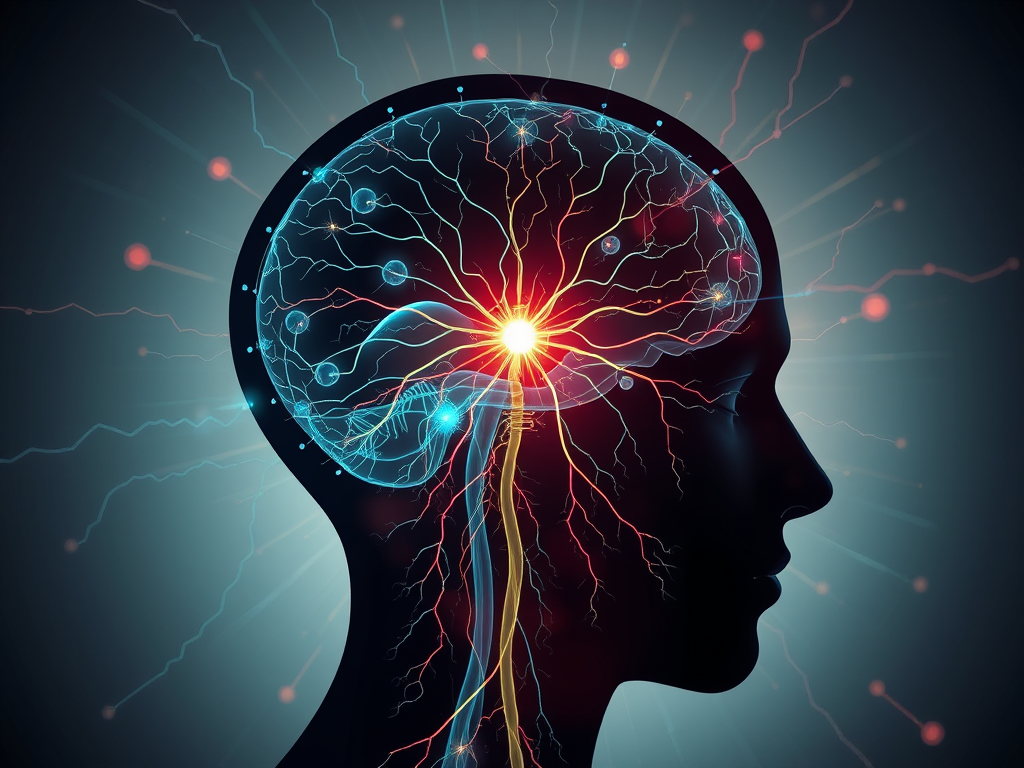
When your brain senses danger, it triggers a chain reaction through your nervous system, flooding your body with hormones designed to help you survive. But in the modern world, that same biological response can become your biggest source of exhaustion.
The Science Behind It
When your brain senses danger, whether real or imagined, it triggers the “fight or flight” response – a chain structure that starts in the hypothalamus, deep in the brain. This small structure acts like an internal alarm. Within seconds, it sends signals through the automatic nervous system, activating two key players: the sympathetic and parasympathetic branches.
- The Sympathetic nervous system fires first, releasing adrenaline from the adrenal glands. Heart rate increases, breathing quickens, and energy surges – the body is preparing to respond
- Once the threat passes, the parasympathetic system steps in, slowing everything back down
This process happens whether you’re facing an actual threat — or just imagining one, like an upcoming exam or social situation.
That’s the tricky part: your body can’t always tell the difference.
The Stress Hormone: Cortisol

If stress continues beyond those first few moments, another pathway activates — the HPA axis (hypothalamic–pituitary–adrenal).
- The hypothalamus releases CRH (corticotropin-releasing hormone).
- This signals the pituitary gland to release ACTH.
- ACTH tells the adrenal glands to produce cortisol, the body’s main stress hormone.
Cortisol helps sustain energy by increasing blood sugar, sharpening focus, and reducing non-essential functions like digestion or growth.
In short bursts, it’s useful. But when cortisol stays high for too long, it begins to wear the body down.
Our amygdala becomes more active, whereas our prefrontal cortex (responsible for planning and rational thought) becomes less so. However, our body can recover as quickly as it reacts and it will all return to the natural balance.

This shows the physical changes our bodies have to go through when our brain signals to them that were stressed. There are fast acting and slower acting hormones that have to work together for the desired effect.
Research and findings
In 1936, Hans Selye first described the ‘general adaptation syndrome,’ showing how the body passes through alarm, resistance, and exhaustion stages. His experiment concluded that too much stress can leave the body’s resources depleted, leading to fatigue, illness, or burnout. Here is some more information on Hans Selye
In 1998, Robert Sapolsky found out that chronic stress and high cortisol levels can damage neurones in the hippocampus. This shows that long-term stress doesn’t just feel harmful – it physically changes the brain, making memory and emotional regulation harder. You can learn more about his work here or listen to his Ted Talks here.
How stress affects us
Our health systems:
Cardiovascular system
Chronic stress keeps our heart rate and blood pressure high due to the constant activation of our sympathetic nervous system.
This can cause high blood pressure, narrowed arteries, heart attacks and stroke because cortisol and adrenaline increase inflammation and strain on the heart and blood vessels
Immune system
Short term stress can boost immunity briefly, but long term stress suppresses it.
This leads to more frequent infections, slower wound healing and possible link to autoimmune diseases because cortisol inhibits the production of white blood cells.
Mental health
Chronic cortisol release affects the brain, especially the hippocampus and the amygdala
The risks are anxiety, depression, insomnia and poor concentration because stress disrupts neurotransmitters like serotonin and dopamine
Reproductive system
high cortisol interferes with stress hormones (oestrogen, progesterone, testosterone)
This can lead to irregular periods and reduced fertility in women
Ways to relieve stress
Exercise: even 30 minutes of walking or any aerobic activity lowers cortisol and releases endorphins
Sleep: aim for 7-9 hours; cortisol naturally drop at night, helping the body repair
Breathing: deep breathing activates the parasympathetic nervous system , calming the body
Mindfulness & meditation: reduces amygdala activity and increases gray matter in stress- regulating brain areas
Balanced diet: foods rich in omega-3s, magnesium and vitamin B support stress resilience, as well as limiting caffeine and alcohol
Did you know?
The stress hormone cortisol peaks about 30 minutes after waking up, even on calm days — it’s your body’s natural way of getting ready to face the world.
In summary
Stress isn’t always bad — it’s your body’s way of protecting you. Understanding the biology behind stress helps turn it from something to fear into something to manage — a reminder of just how intelligently the human body responds to life’s challenges.
Leave a Reply