Every generation has tried to cheat death: from ancient Egyptians seeking eternal life to current scientists coming up with new medications and diets promising youth. However, so far, nothing has worked.
(more…)MindInFocus
Discussing the science of psychology
MindInFocus
Welcome to MindInFocus – a space where psychology and science meet to explore how the mind words.
From dreams and emotions to memory and behaviour, this blog breaks down complex research into ideas that are simple, clear and meaning
-
Many philosophers and scientists have been tormented by this question for centuries: “What happens after we die?”
And no one has been able to come up with a concrete answer.
The ways humans have tried to answer it – through fear, legacy and religion – says as much about us as they do about death itself
Read more: Why do we care what happens after death?
Terror management theory – the idea that awareness of our own mortality is so terrifying that most of human behaviour is an unconscious attempt to manage that terror.
Greenberg, Solomon and Pyszczynski tested this in 1986 — when people were reminded of their own death, they immediately clung harder to their worldview and became more hostile to those who challenged it.
The brain plays a role too – studies have shown that when death is mentioned to people, their worldview subtly changes: they cling harder to their cultural beliefs, become more hostile to people who threaten those beliefs and seek more meaning in their lives.
There’s also the unknown element, humans are uniquely bad at tolerating uncertainty, and death is the ultimate uncertainty, so we try to construct a reality where we know exactly whats going to happen.
Finally, we are the only species who know we’re going to die, this awareness is a byproduct of our advanced consciousness, with some seeing it as a reward, some cursing it.
Legacy: Becker and the denial of death
Philosopher Becker wrote a book on how humans are fuelled by their fear of death, not so much physically, but in a mental sense.
It’s what he called: symbolic immortality, everything humans build, create or leave behind is an attempt to transcend death symbolically
Humans desperately try to protect their legacy and be remembered, by having kids, putting their names on plaques, even painting a piece of art.
However Becker’s point is that we don’t do this consciously, thinking ‘having a kid will help me cope with death’. Rather, our fear of dying subconsciously acts as a driving factor for so much of human ambition.
Religion does the same job – nearly every culture in human history has developed some kind of belief in the afterlife. The specific answer varies but they are all there for one psychological reason, we just can’t stand not knowing.
-
You’re in a meeting and someone says something wrong, but you say nothing because everyone else stayed silent. This is a clear example that many people can relate to, where we are ‘forced’ to conform, by our brains.
Conformity is adjusting your behaviour, beliefs or opinions to match a group, and it happens more often than you think.
(more…) -
Mimetic desire is the idea that people do not want things on their own. Instead, we copy the desires of other people.
Key parts of the theory
The triangle: Desire is not a straight line between you and the object, it forms a triangle. You are the subject, a model (or person you watch) is the mediator, and the target is the object. You want the object because your model wants it.
(more…)“We desire what others desire because we imitate their desires” – Rene Gerard
-
Have you ever been sitting, chatting with a group of friends, and suddenly stop and think: I’m alive, I’m real, these are my friends i’m with right now. Most people have felt it, not many people talk about it.
Consciousness is known as the state of being aware of yourself and your surroundings, but more simply it’s what turns existing into actually experiencing.
(more…) -
We’ve all experienced the longest maths lesson of our life – 10 minutes seem to take one hour, but then it’s lunch and before you know it, back to lessons.
Why do our brains perceive time in this, honestly, frustrating way?
Time perception: controlled entirely by the brain – not the clock.
(more…)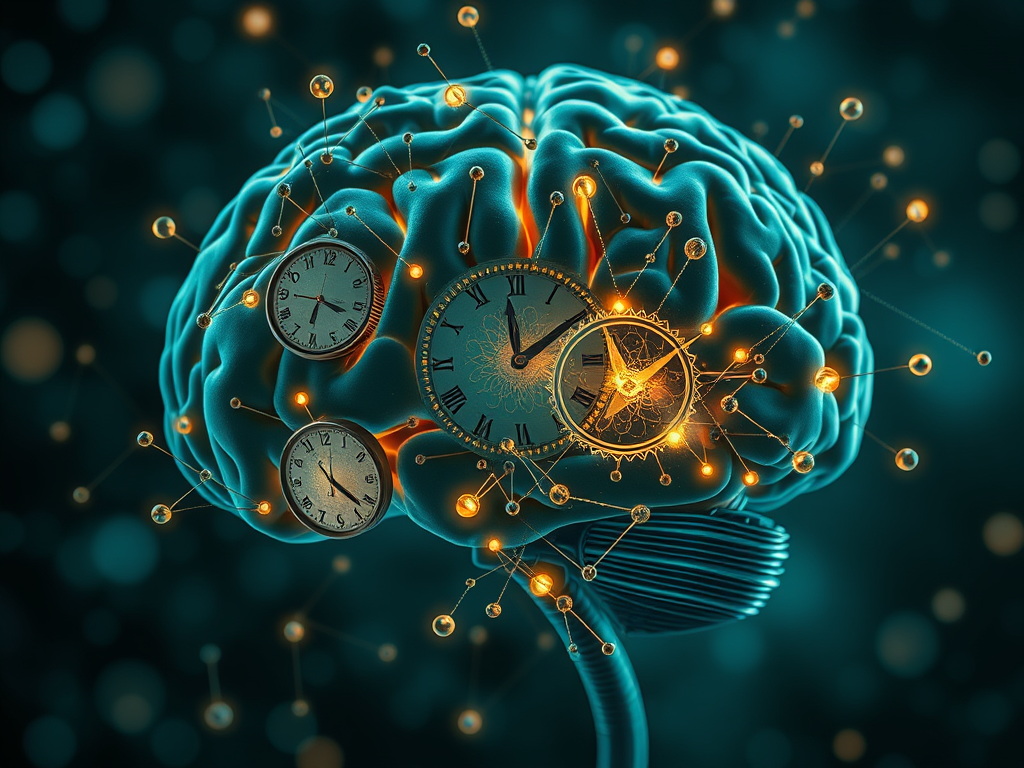
-
You jolt awake from a dream — falling, running, or speaking to someone who’s no longer here and for a moment, it feels real.
Then it fades, leaving behind a question that has puzzled scientists and philosophers for centuries: why do we dream at all?
(more…)
-
What is it?
Your heart races. Your palms sweat. It feels like danger — but it’s just an exam. Why does your body react this way?
In this post, we’ll look at what’s really happening inside your body when you’re stressed — and how biology keeps you alive (and sometimes overwhelmed).
Stress is your body’s alarm system — powerful, ancient, and impossible to ignore.
(more…)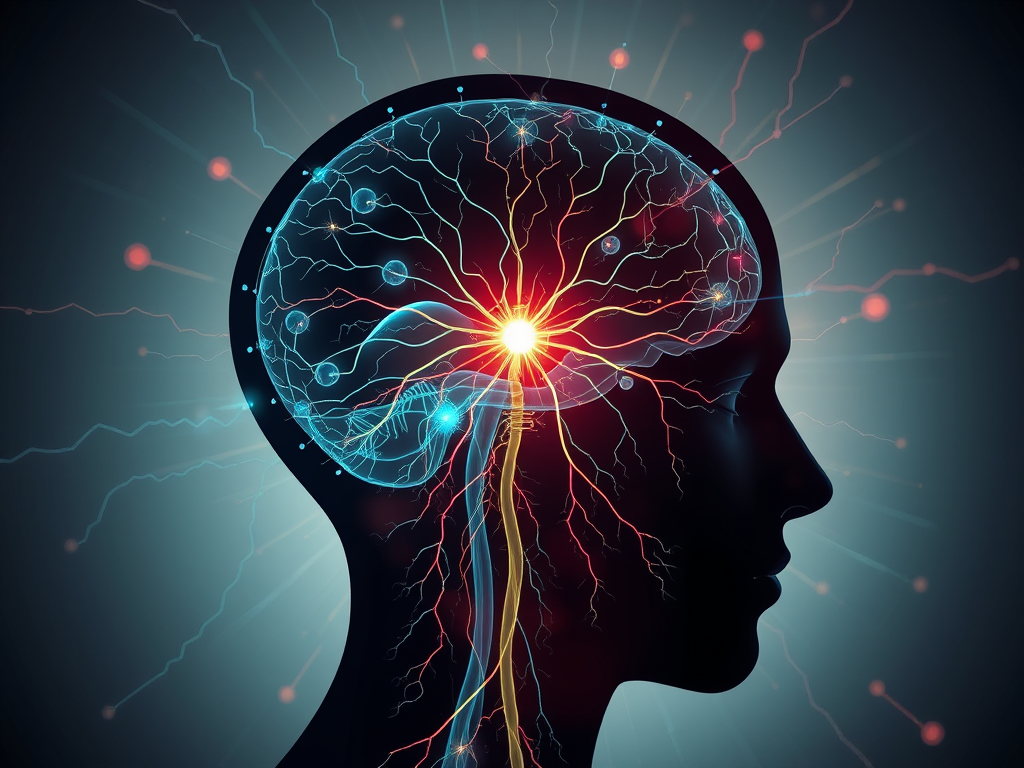
-
You’re standing in front of twenty cereal boxes, frozen by choice. You tell yourself you’re being rational — weighing price, taste, health — but your brain decided long before you realized it.
Every decision we make is shaped by hidden shortcuts, emotions, and biases running quietly behind the scenes.
(more…)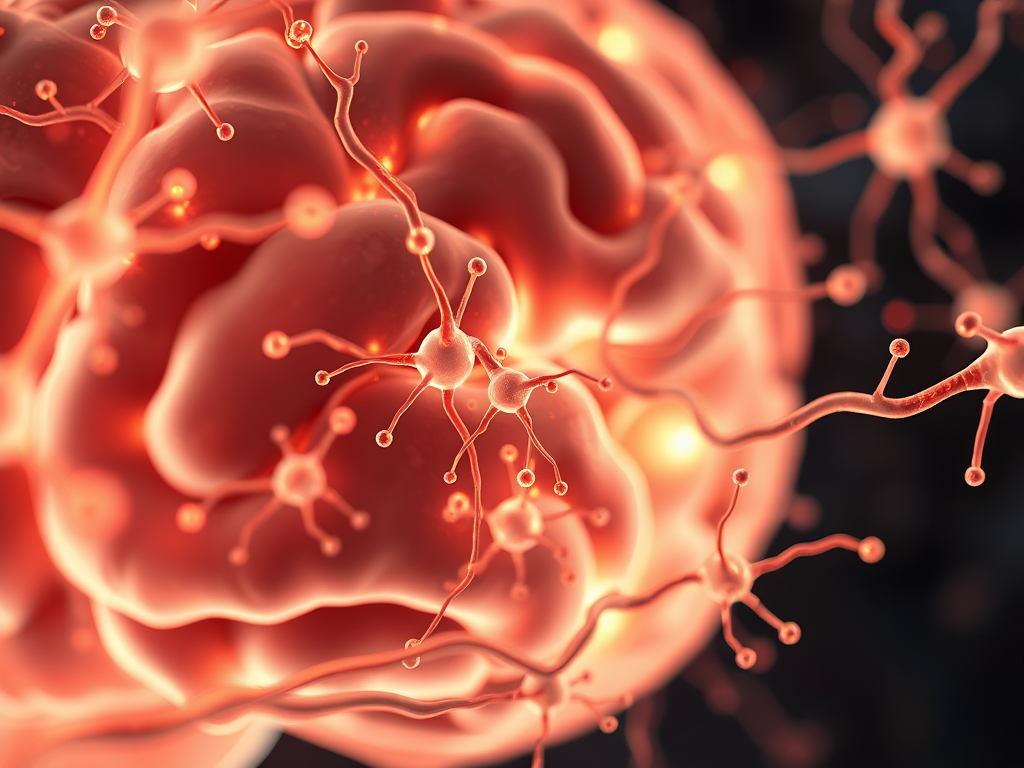
Designed with WordPress